

TIPS ON RESPONDING TO A HIGH BLOOD PRESSURE EMERGENCY
It is normal for blood pressure to rise and fall throughout the day. But for people with hypertension, blood pressure remains consistently high, increasing the risk of serious medical issues. According to the CDC, 108 million people nearly half the adult population of the United States are affected by hypertension, or as it is more commonly known, high blood pressure.
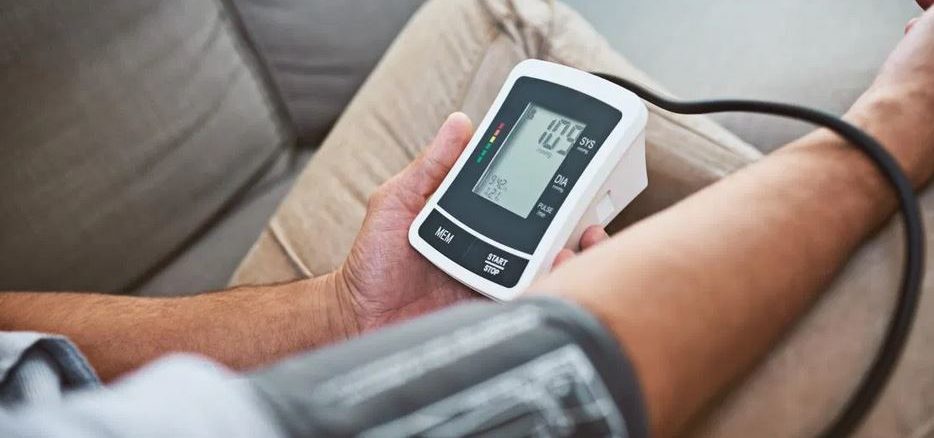
Blood pressure monitors record two measurements: systolic blood pressure and diastolic blood pressure. Systolic pressure measures pressure in the arteries when the heart beats, while diastolic measures the pressure while the heart rests between beats. Systolic pressure is always listed before diastolic pressure, along with the unit for this measurement of pressure, “mmHg.”
Blood pressure is the medical descriptor for blood circulating against the walls of blood vessels in the body.
Blood pressure falls within a healthy range when systolic pressure is below 120 and diastolic blood pressure is below 80, or 120/80mmHg, most often read as “120 over 80.” Those with hypertension have consistent blood pressure readings greater than 130 over 80. If you’re caring for a loved one with hypertension, it’s possible that you’re already using a blood pressure monitor at home to help manage their health. Uncontrolled high blood pressure is typically a chronic condition that can gradually damage the heart, arteries, kidneys, and even the eyes and brain. It increases a person’s risk of heart disease, stroke, dementia, and other health conditions such as macular degeneration.
What is a High Blood Pressure Emergency?
When certain physical symptoms accompany elevated blood pressure, the situation could be life-threatening. Some of these symptoms include:
- Severe headache, confusion, and blurred vision
- Shortness of breath
- Nosebleed
- Severe anxiety
- Nausea and vomiting
- Seizures
Experiencing these symptoms can be overwhelming, and loved ones may not be able to articulate what’s happening to them. Family caregivers should be familiar with the warning signs of these conditions to recognize when an emergency arises.
Steps to Respond to a High Blood Pressure Emergency
- Call Emergency Services Immediately
If someone exhibits the above symptoms with extremely high blood pressure, call 911 (or your local emergency number) immediately. Do not wait to see if the symptoms improve on their own.
- Keep the Person Calm
Stress and anxiety can further raise blood pressure. Encourage the person to sit down, relax, and breathe slowly while waiting for help. Avoid unnecessary movement or exertion.
- Monitor Vital Signs
If possible, check the person’s blood pressure, pulse, and breathing. Note any changes to share with emergency responders.
- Administer Prescribed Medication (If Available)
If the individual has emergency blood pressure medication prescribed by a doctor, assist them in taking it as directed. Do not give medication that hasn’t been prescribed for this specific emergency.
- Avoid Food or Drink That May Worsen Symptoms
Refrain from giving caffeine, alcohol, or salty foods during the crisis, as they can increase blood pressure further.
- Follow Emergency Medical Advice
Once emergency responders arrive, provide them with medical history, medications, and details of the current episode. Follow all instructions carefully to ensure proper treatment.
Help us understand your home care needs. Then we’ll set up a free phone consultation so you can get the right support and in-home care services to live and age successfully at home . Communication is a very important part of the service we provide. Call us at +1 (617) 659 0436 or email [email protected] to speak to our dedicated team members who look forward to hearing about your specific needs.